Inshore vs. Offshore Fishing in Hampton NH: Which Trip Is Right for You?

Published: November 17, 2026
New Hampshire’s coastline offers anglers different ways to enjoy a day on the water, depending on their fishing goals and preferred experience. Hampton NH Inshore vs Offshore Fishing comes down to factors such as fishing location, target species, travel time, and the techniques used during the trip. Inshore fishing generally takes place closer to the coast, while offshore trips travel farther into deeper waters. Each option offers a different experience, from casting in coastal areas to targeting fish on offshore grounds. Understanding these differences can help you choose a trip that suits your interests, available time, and comfort level on the water.
What Is the Difference Between Inshore and Offshore Fishing?
The main difference between inshore and offshore fishing is where the fishing takes place and what anglers can expect from the trip. Water depth, distance from shore, sea conditions, and target species all influence the experience. Your choice may also depend on how much time you want to spend travelling and which fishing techniques you would like to try.
Understanding Inshore Fishing
Inshore fishing takes place in coastal waters relatively close to land. These trips may involve fishing around beaches, tidal areas, and other suitable coastal locations, depending on local access and conditions. Anglers often use casting techniques or natural bait to target fish in these environments. Shorter travel distances may appeal to people who prefer a coastal fishing experience, although the actual trip duration depends on the operator and fishing conditions.
Understanding Offshore Fishing
Offshore fishing involves travelling farther from the coast to reach deeper fishing grounds. These trips may provide opportunities to target species that live farther offshore, using techniques such as bottom fishing with baited rigs and heavier sinkers. Travel time, water depth, and marine conditions can influence the length and preparation required for an offshore trip. Anglers should check the weather forecast and confirm trip details before departure.
Inshore Fishing in Hampton, NH: What to Expect
Fishing closer to shore offers a different experience from travelling into deeper offshore waters. Inshore Fishing Hampton NH can involve changing tides, coastal currents, and varying water conditions that influence where fish may be feeding. The techniques and target species depend on the season, location, and current fishing activity, so checking recent local reports can help you prepare.
Fishing Locations
- Coastal Waters: Anglers can explore suitable fishing areas closer to the New Hampshire coastline, depending on local access, tides, and water conditions.
- Tidal Areas: Areas influenced by incoming and outgoing tides may attract feeding fish as currents move bait through the water.
- Nearshore Fishing Grounds: Fishing closer to shore can reduce travel distance and provide opportunities to explore different coastal locations throughout the trip.
Target Species
- Striped Bass: Striped bass are a popular target along the New Hampshire coast, particularly when seasonal movements bring them into coastal waters.
- Bluefish: Bluefish may be encountered in coastal waters during suitable periods, offering anglers an active fishing experience when these fish are present.
- Other Coastal Species: Depending on the location, season, and fishing conditions, anglers may encounter additional species available in local nearshore waters.
Techniques
- Casting Artificial Lures: Swimming plugs, soft plastics, and other suitable lures can help anglers cover water and imitate the baitfish that predatory species feed on.
- Fishing with Natural Bait: Using permitted natural bait can be an effective approach when targeting fish feeding near the bottom or along tidal areas.
- Adjusting to Tides and Currents: Observing current direction and strength helps anglers adjust their casting positions, bait presentation, and fishing methods as conditions change.
Trip Experience: Inshore trips offer a coastal fishing experience with less travel to distant fishing grounds. Anglers can focus on casting, learning techniques, and responding to changing tides and conditions.
Offshore Fishing in Hampton, NH: What to Expect
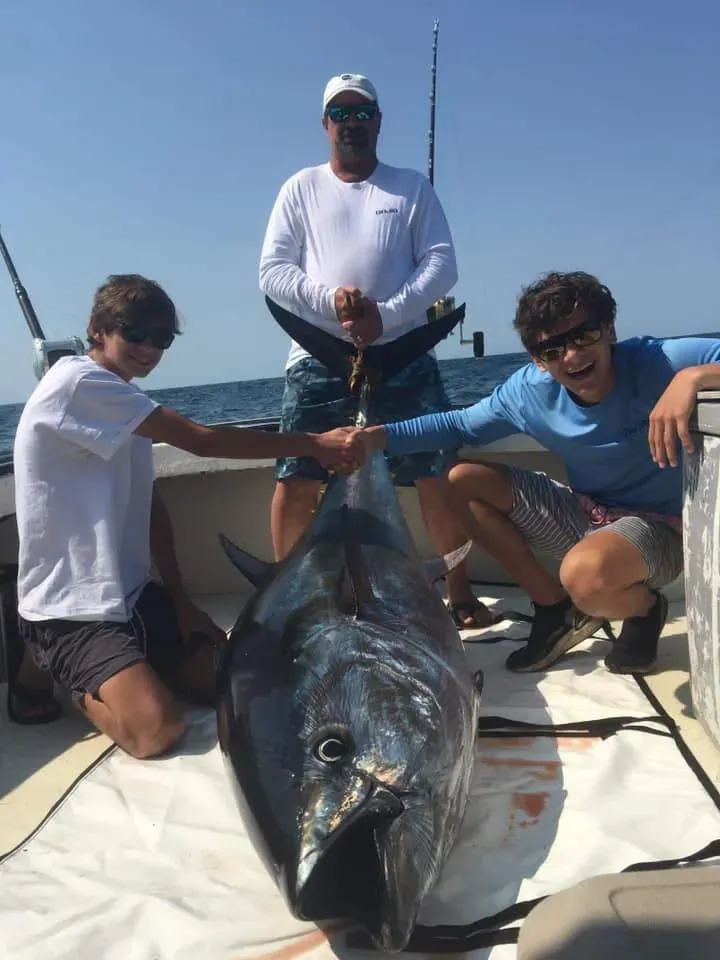
Offshore fishing takes anglers farther from the coastline into deeper waters, where different fish species and fishing techniques may be available. Offshore Fishing Hampton NH can involve longer travel times, changing sea conditions, and specialized equipment suited to deeper fishing grounds. The experience depends on the season, weather, and current fish activity, so understanding the trip requirements can help you prepare.
Offshore Locations and Target Species
Offshore fishing involves travelling beyond nearshore waters to reach deeper fishing grounds. The specific locations depend on the charter’s route, sea conditions, and the time of year.
- Deeper Offshore Waters: These areas may provide access to fishing grounds that are not typically reached during shorter coastal trips.
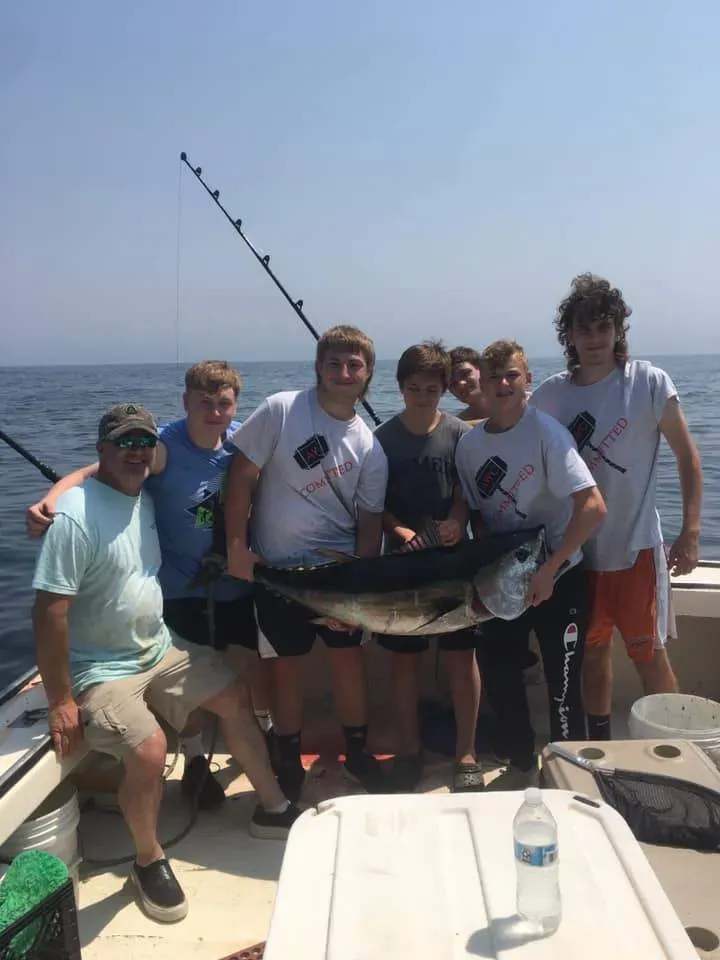
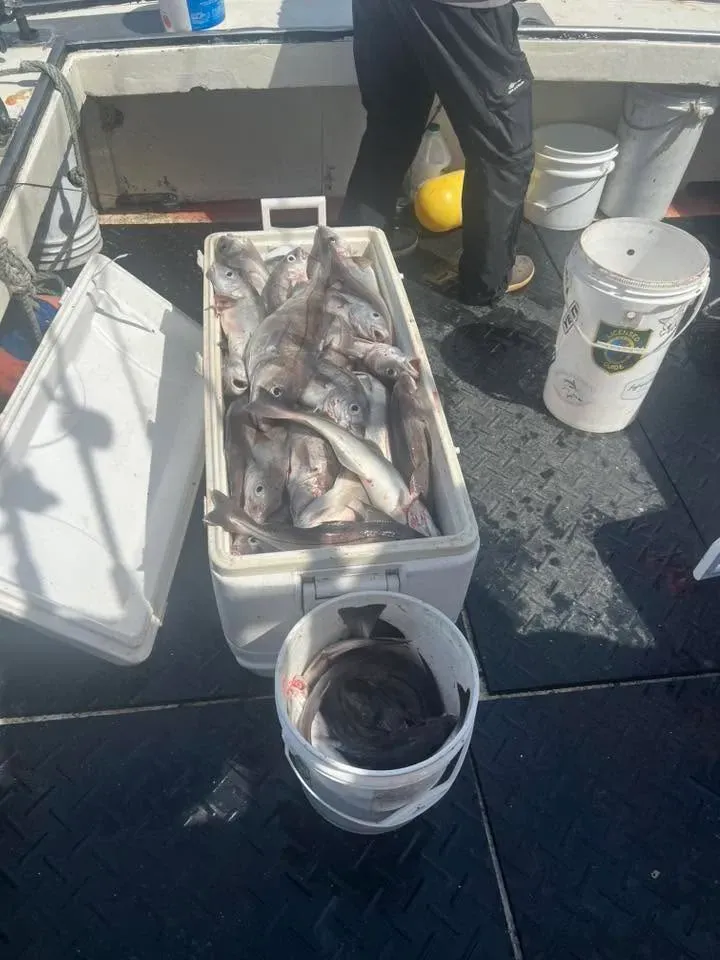
- Haddock: Haddock are a popular target in New Hampshire’s offshore waters, often pursued using baited bottom-fishing rigs.
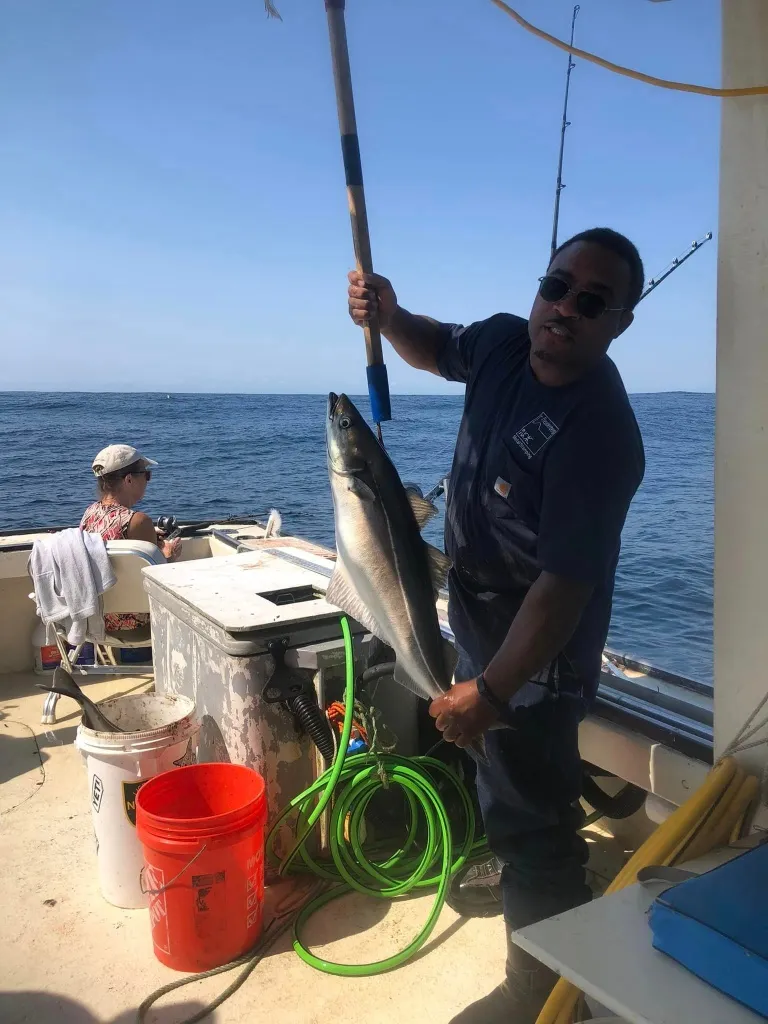
- Other Groundfish: Depending on the season, regulations, and location, anglers may target other groundfish species available in the region.
Techniques and Equipment
Offshore fishing often requires techniques and equipment suited to deeper water, stronger currents, and longer travel distances. The captain or fishing guide can explain which methods are appropriate for the conditions.
- Bottom Fishing: Anglers commonly use baited hooks, sinkers, and suitable rigs to reach fish feeding near the seabed.
- Heavier Tackle: Stronger rods, reels, lines, and weights may be needed to manage deeper water and changing currents.
- Bait Presentation: Keeping bait near the bottom and adjusting the rig to suit water depth and current can help anglers present their bait effectively.
Trip Experience: Offshore trips generally involve more time travelling to fishing grounds and may require greater preparation. Anglers should be ready for changing sea conditions, longer hours on the water, and a more equipment-focused fishing experience.
Inshore vs. Offshore Fishing: Key Differences to Consider
Choosing between inshore and offshore fishing depends on your fishing goals, personal preferences, available time, and comfort on the water. Both options offer different experiences, so understanding their main differences can help you plan a trip that matches your expectations.
- Travel Distance and Trip Duration: Inshore trips generally involve shorter travel distances because fishing takes place closer to the coast. Offshore trips may require more time to reach deeper fishing grounds, which can result in longer days on the water.
- Target Species: The fish available depend on the location, season, water depth, and fishing conditions. Inshore anglers may target striped bass in suitable coastal waters, while offshore trips can provide opportunities to pursue species found in deeper waters.
- Fishing Techniques and Tackle: Inshore fishing may involve casting lures, using bait, or working with lighter tackle. Offshore fishing can require heavier rods, stronger lines, and specialized rigs suited to deeper water.
- Sea Conditions and Comfort: Weather, waves, and currents can affect both types of trips. Offshore travel may expose anglers to changing conditions farther from shore, although conditions vary from day to day.
- Experience and Preparation: Beginners may appreciate the shorter travel associated with some inshore trips, while experienced anglers may prefer the challenge of offshore fishing. Choosing the right trip also depends on physical comfort, preparation, and the time available.
Which Fishing Trip Is Right for You?
Choosing between inshore and offshore fishing depends on what you want from your time on the water. Consider how much time you have available, which fish you hope to catch, your preferred fishing techniques, and how comfortable you feel travelling farther from shore. Understanding these factors can help you select a trip that matches your interests and expectations.
When to Consider an Inshore Trip
An inshore trip may suit anglers who prefer fishing in coastal waters, practising casting techniques, or spending less time travelling to fishing grounds. It can also be a suitable option for beginners who want to learn basic fishing skills. However, the actual trip duration depends on the charter operator's schedule, fishing location, and conditions.
When to Consider an Offshore Trip
An offshore trip may appeal to anglers interested in deeper water, bottom fishing, heavier tackle, or species found farther from the coast. Before booking, check the expected trip length, weather conditions, sea state, and potential target species. These details can help you prepare for a longer day on the water.
Plan Your Fishing Trip with Central New Hampshire Guides
Planning a fishing trip starts with knowing what kind of experience you want. If you are comparing inshore and offshore fishing, consider your available time, fishing interests, and comfort with travelling farther from shore. Before choosing a Hampton NH Fishing Charter, review the available options and select a trip that fits your plans.
Before heading out, ask about the trip duration, departure details, fishing gear, bait, and personal items you should bring. It is also worth checking which fish you may be able to target during your visit, as seasonal patterns and local conditions can affect fishing opportunities.
Before booking, confirm availability, trip details, applicable fishing regulations, and safety requirements. Weather conditions can affect departure plans, particularly for offshore trips, so ask about cancellation or rescheduling policies. Central New Hampshire Guides can be a starting point for reviewing your fishing plans and deciding which type of trip suits your interests.
Conclusion
Inshore and offshore fishing offer different ways to enjoy the New Hampshire coast. Inshore trips generally involve shorter travel distances and coastal fishing techniques, while offshore trips take anglers into deeper waters and may require heavier tackle and more preparation. Your choice depends on your target species, available time, fishing experience, and comfort on the water. Ready to plan your next fishing trip? Contact Central New Hampshire Guides to discuss your preferences and arrange a trip that fits your plans.
FAQs
1. What is the difference between inshore and offshore fishing?
Inshore fishing takes place in coastal waters closer to land, while offshore fishing involves travelling farther out to reach deeper fishing grounds. The target species, equipment, and trip duration can differ.
2. Is inshore fishing in Hampton, NH suitable for beginners?
Yes, inshore fishing can be a good starting point for beginners interested in learning basic casting, bait presentation, and fish handling. The experience depends on the fishing location and trip arrangements.
3. What fish can you catch on an inshore fishing trip?
Striped bass are a popular target along the New Hampshire coast. The species you may encounter depend on the season, location, and current fishing conditions.
4. What fish can you target on an offshore fishing trip?
Offshore trips may offer opportunities to target species found in deeper waters, including haddock and other groundfish, depending on the fishing grounds, season, and regulations.
5. How long does an inshore fishing trip usually take?
Trip duration varies by charter operator, fishing location, and schedule. Inshore trips generally involve less travel time, but you should confirm the expected duration before booking.
6. How long does an offshore fishing trip usually take?
Offshore trips may take longer because the boat must travel farther to reach deeper fishing grounds. Ask the operator about departure times, travel time, and the expected return.
7. Is deep sea fishing in Hampton, NH affected by weather?
Yes, weather, wind, waves, and sea conditions can affect offshore fishing plans. Trips may be delayed, rescheduled, or cancelled when conditions are unsuitable.
8. What equipment should I bring for a fishing charter?
Ask the operator which rods, reels, tackle, and bait are provided. You may also need weather-appropriate clothing, sunscreen, food, water, and any personal items recommended for the trip.
9. Can beginners join an offshore fishing trip?
Beginners may be able to join offshore trips, depending on the operator's requirements and the trip conditions. Check the expected duration, fishing methods, safety guidance, and physical demands before booking.
10. How do I choose a Hampton, NH fishing charter?
Compare available trip types, duration, target species, departure details, included equipment, and safety arrangements. Choose an option that matches your experience, schedule, and fishing interests.