Best Fishing Seasons in New Hampshire: What Fish Can You Catch Throughout the Year?

Published: November 17, 2026
New Hampshire offers fishing opportunities throughout the year, from freshwater lakes and rivers to coastal waters along the Atlantic Ocean. Understanding New Hampshire Fishing Seasons can help anglers choose the right time to visit, identify potential target species, and prepare for changing conditions. Water temperatures, seasonal fish movements, weather patterns, and spawning periods all influence where fish are found and how actively they feed. Some months are more suitable for targeting certain freshwater species, while warmer seasons can provide opportunities for coastal fishing. Whether you are planning a weekend outing or a guided fishing trip, knowing what to expect during each season can help you make informed decisions and get more from your time on the water.
New Hampshire Fishing Seasons: A Month-by-Month Overview
Fishing opportunities in New Hampshire change with the seasons, as water temperatures, weather, and fish movements affect where anglers can find different species. Lakes, rivers, ponds, and coastal waters each offer distinct opportunities throughout the year.
Spring Fishing in New Hampshire (March–May)
As temperatures rise and ice melts from many waterbodies, fish activity gradually increases. Spring can offer freshwater fishing opportunities, although conditions and seasonal regulations vary by location.
- Best Species to Catch: Trout and landlocked salmon may be available in suitable waters, depending on stocking schedules, local populations, and fishing regulations.
- Fishing Conditions: Warming water can encourage fish to become more active, but early spring weather may remain cold, and water levels can change with snowmelt and rainfall.
- Planning Tips: Check New Hampshire Fish and Game stocking schedules, current fishing reports, and water-specific regulations before choosing a destination.
Summer Fishing in New Hampshire (June–August)
Summer brings longer days and more opportunities to fish lakes, ponds, rivers, and coastal waters. Warmer conditions can change fish feeding patterns, so choosing the right time of day and location can make a difference.
- Best Species to Catch: Bass are popular targets in freshwater lakes and ponds, while striped bass may be found along the coast. Trout fishing remains an option in suitable coldwater streams and lakes.
- Fishing Conditions: Early mornings and evenings can provide comfortable fishing conditions, especially when daytime temperatures rise and fish move into cooler or deeper water.
- Planning Tips: Check the weather forecast, water temperatures, and local fishing reports. Bring drinking water, sun protection, and suitable tackle for your target species.
Fall Fishing in New Hampshire (September–November)
As temperatures cool, fish behaviour and feeding patterns begin to change. Fall offers opportunities across many freshwater locations, although the best fishing conditions depend on the waterbody, species, and time of season.
- Best Species to Catch: Trout, landlocked salmon, and bass may be available in suitable waters, depending on seasonal movements and local regulations.
- Fishing Conditions: Cooler water temperatures can increase activity for some species, while changing weather may affect fish location and feeding patterns.
- Planning Tips: Review current fishing regulations before your trip, as certain waters may have seasonal restrictions or closures. Check recent reports to identify suitable locations and techniques.
Winter Fishing in New Hampshire (December–February)
Winter fishing in New Hampshire often centres on ice fishing when lakes and ponds have sufficiently safe ice. Cold temperatures and changing ice conditions require careful planning before heading outdoors.
- Best Species to Catch: Yellow perch, pickerel, and other permitted freshwater species may be available in suitable lakes and ponds, depending on local populations and regulations.
- Fishing Conditions: Fish activity can vary with water depth, weather, and changing conditions beneath the ice. Access to individual waterbodies may also be limited by snow and ice.
- Planning Tips: Check local regulations, access information, and ice safety conditions before leaving home. Never assume ice is safe based on appearance or temperatures alone, and avoid venturing onto ice when its strength is uncertain.
New Hampshire Saltwater Fishing Seasons
Coastal fishing in New Hampshire follows different seasonal patterns from freshwater fishing. Ocean temperatures, fish movements, weather, and fishing regulations all influence which species anglers can target throughout the year.
- Spring (March–May): As coastal waters begin to warm, striped bass may start appearing in suitable nearshore areas later in the season. Check recent fishing reports to understand local activity before planning a trip.
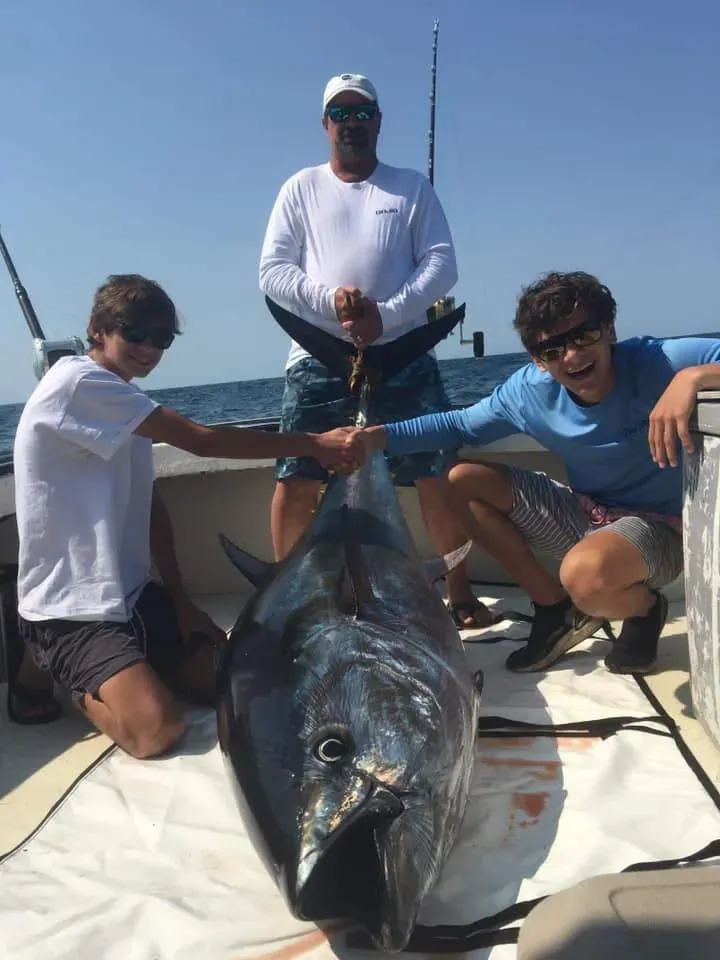
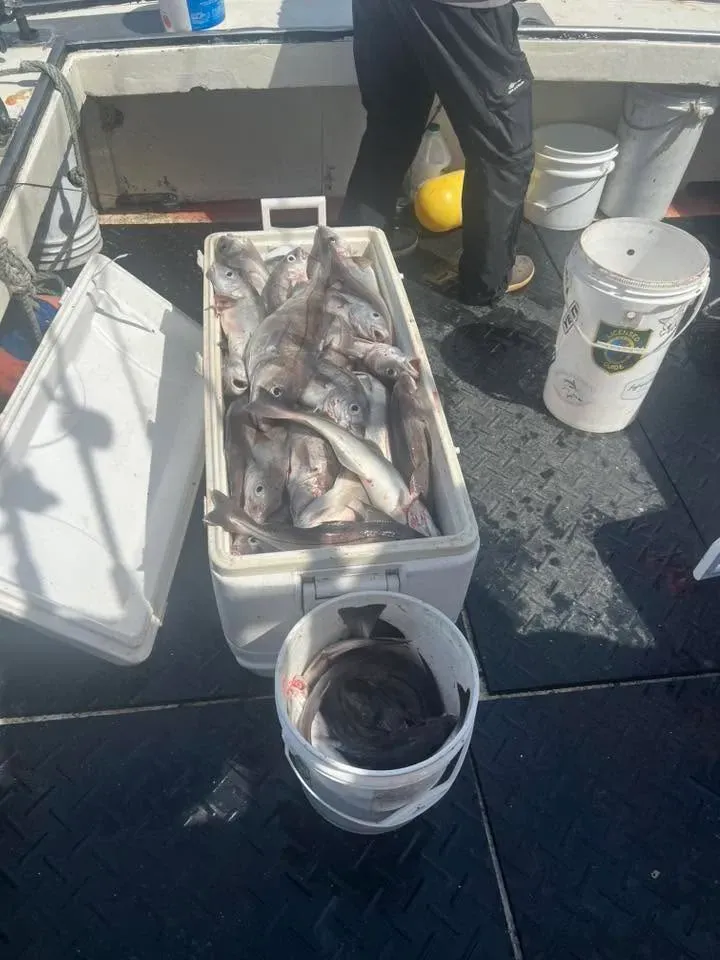
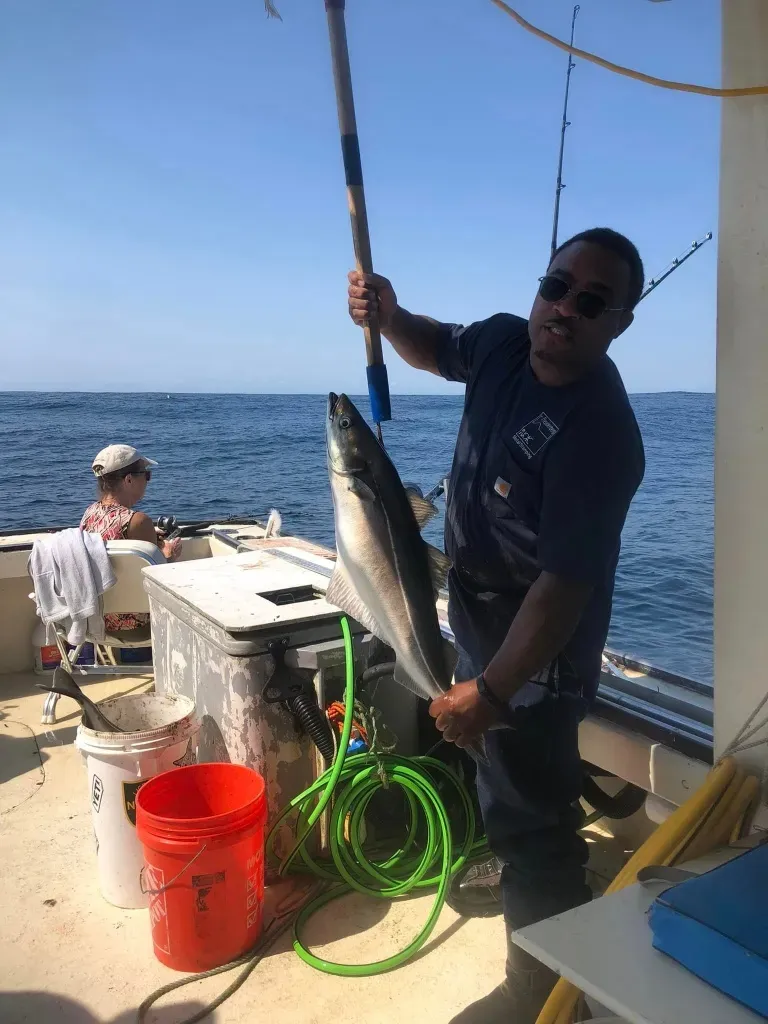
- Summer (June–August): Summer offers opportunities to target striped bass along the coast when they are present. Offshore trips may also provide opportunities for haddock and other groundfish, depending on open seasons, fishing locations, and regulations.
- Fall (September–November): Seasonal fish movements and cooling ocean temperatures can influence coastal fishing opportunities. Check current reports and regulations to determine which species are available during your planned trip.
- Winter (December–February): Saltwater fishing may be limited by cold weather, rough seas, and reduced access to suitable fishing grounds. Offshore opportunities depend on weather, operator schedules, and applicable regulations.
Understanding New Hampshire Saltwater Fishing Seasons helps anglers plan around species availability, ocean conditions, and current state and federal fishing rules.
Popular Fish Species in New Hampshire and When to Catch Them
New Hampshire offers a variety of freshwater and saltwater fishing opportunities, with each species following different seasonal patterns and habitat preferences. Knowing where fish are found and checking current regulations can help you plan your trip.
- Trout: Trout fishing opportunities depend on the species, water temperature, and location. Stocking schedules can help anglers identify suitable waters, while local regulations determine when and how fishing is permitted.
- Landlocked Salmon: Certain New Hampshire lakes support landlocked salmon fishing. Before planning a trip, check the specific lake's regulations, seasonal restrictions, and current fishing reports.
- Bass: Bass are popular targets during warmer months in lakes and ponds. Water temperatures, weather, and available cover can influence their activity and where anglers may find them.
- Striped Bass: Striped bass are a seasonal target along New Hampshire's coast, particularly when they move into coastal waters. Check current saltwater fishing rules and local reports before planning an outing.
- Haddock: Haddock are commonly targeted on offshore trips using bottom-fishing techniques. Availability depends on fishing grounds, weather, and current state and federal regulations, including seasonal closures.
- Perch and Pickerel: Yellow perch and chain pickerel can be found in suitable freshwater lakes and ponds. They may offer fishing opportunities during colder months, including ice fishing where permitted and conditions are safe.
How to Choose the Best Time to Fish in New Hampshire
Planning a fishing trip involves more than picking a convenient date. The species you want to catch, local weather, water conditions, and fishing regulations can all influence when and where you should go.
- Target Species: Start by identifying the fish you want to catch. Trout, bass, landlocked salmon, striped bass, and haddock have different seasonal patterns, so your target species can help determine the best location, timing, and fishing technique.
- Water and Weather Conditions: Water temperature, rainfall, wind, and tides can affect fish activity and fishing conditions. Check the forecast before departure, especially when planning a coastal or offshore trip.
- Fishing Location: Lakes, rivers, and ponds offer different opportunities from coastal waters and offshore fishing grounds. Choose a location that matches your target species and preferred fishing style.
- Regulations and Access: Check current licensing requirements, open seasons, size limits, daily bag limits, and access conditions before leaving. Seasonal restrictions may vary by waterbody and species.
Plan Your Seasonal Fishing Trip with Central New Hampshire Guides
Central New Hampshire Guides can be a starting point for planning a fishing trip around your preferred season and fishing interests. Choosing the right time of year can help you prepare for changing weather, seasonal fish movements, and the conditions you may encounter on the water.
Before booking, consider your target species, preferred fishing location, experience level, and available time. A discussion about fishing techniques, equipment needs, trip duration, and seasonal conditions can help you understand what to expect. Knowing the Best Time to Fish in New Hampshire also helps you plan around local fishing patterns and applicable regulations.
Before confirming your trip, review available options, check seasonal availability, and ask about departure details and preparation requirements. Planning ahead gives you time to organize your schedule and bring the appropriate personal supplies for your day on the water.
Conclusion
Each season brings different fishing opportunities across New Hampshire, from spring trout fishing and summer bass fishing to fall fishing and winter ice fishing where conditions permit. Your plans should depend on your target species, preferred location, current regulations, and weather conditions. Check seasonal availability before setting a date. Ready to plan your next outing? Contact Central New Hampshire Guides to discuss your fishing goals and arrange a suitable trip.
FAQs About New Hampshire Fishing Seasons
1. What is the best month for fishing in New Hampshire?
The best month depends on your target species and preferred fishing location. Spring, summer, and fall offer different freshwater and saltwater opportunities, while winter can provide ice fishing when conditions are safe.
2. When does trout fishing season start in New Hampshire?
Trout fishing opportunities vary by waterbody, species, and applicable regulations. Check current New Hampshire Fish and Game rules and stocking schedules before planning your trip.
3. What fish can you catch in New Hampshire during spring?
Spring fishing may offer opportunities for trout, landlocked salmon, and other freshwater species in suitable waters. Fishing conditions depend on warming temperatures, stocking schedules, and local regulations.
4. Is summer a good time for fishing in New Hampshire?
Summer offers opportunities to fish for bass in lakes and ponds, trout in suitable coldwater locations, and striped bass along the coast when they are present.
5. What fish are active in New Hampshire during fall?
Depending on the location, anglers may target trout, landlocked salmon, bass, and seasonal coastal species. Cooling water temperatures can influence fish activity and feeding patterns.
6. Can you fish in New Hampshire during winter?
Yes, winter fishing is possible, including ice fishing on suitable lakes and ponds. Always check local regulations and confirm that ice conditions are safe before venturing onto frozen water.
7. When is striped bass season in New Hampshire?
Striped bass fishing opportunities generally follow seasonal movements along the coast. Check current marine fishing regulations and local reports for information about fishing opportunities and applicable restrictions.
8. When can you catch haddock in New Hampshire?
Haddock may be targeted during offshore fishing trips when fishing is permitted. Availability depends on the location, weather, open seasons, and current state and federal regulations.
9. Does weather affect fishing conditions in New Hampshire?
Yes, temperature, rainfall, wind, waves, and tides can influence fish activity and fishing conditions. Check the forecast before departure, particularly when planning coastal or offshore trips.
10. Do I need a fishing license in New Hampshire?
Fishing license requirements depend on factors such as age, residency, and the type of fishing. Review current New Hampshire Fish and Game regulations to determine which license or permits you need before fishing.